Over the years, clinical practices have evolved from "managing" challenging behavior to understanding it. Behaviours of concern are not random; they are adaptive solutions to unmet needs. When a participant cannot express pain, sensory overload, frustration, or fear verbally, behaviour becomes their primary voice.
Every behaviour serves a function. In clinical Positive Behaviour Support (PBS), we analyze these functions into four main categories:
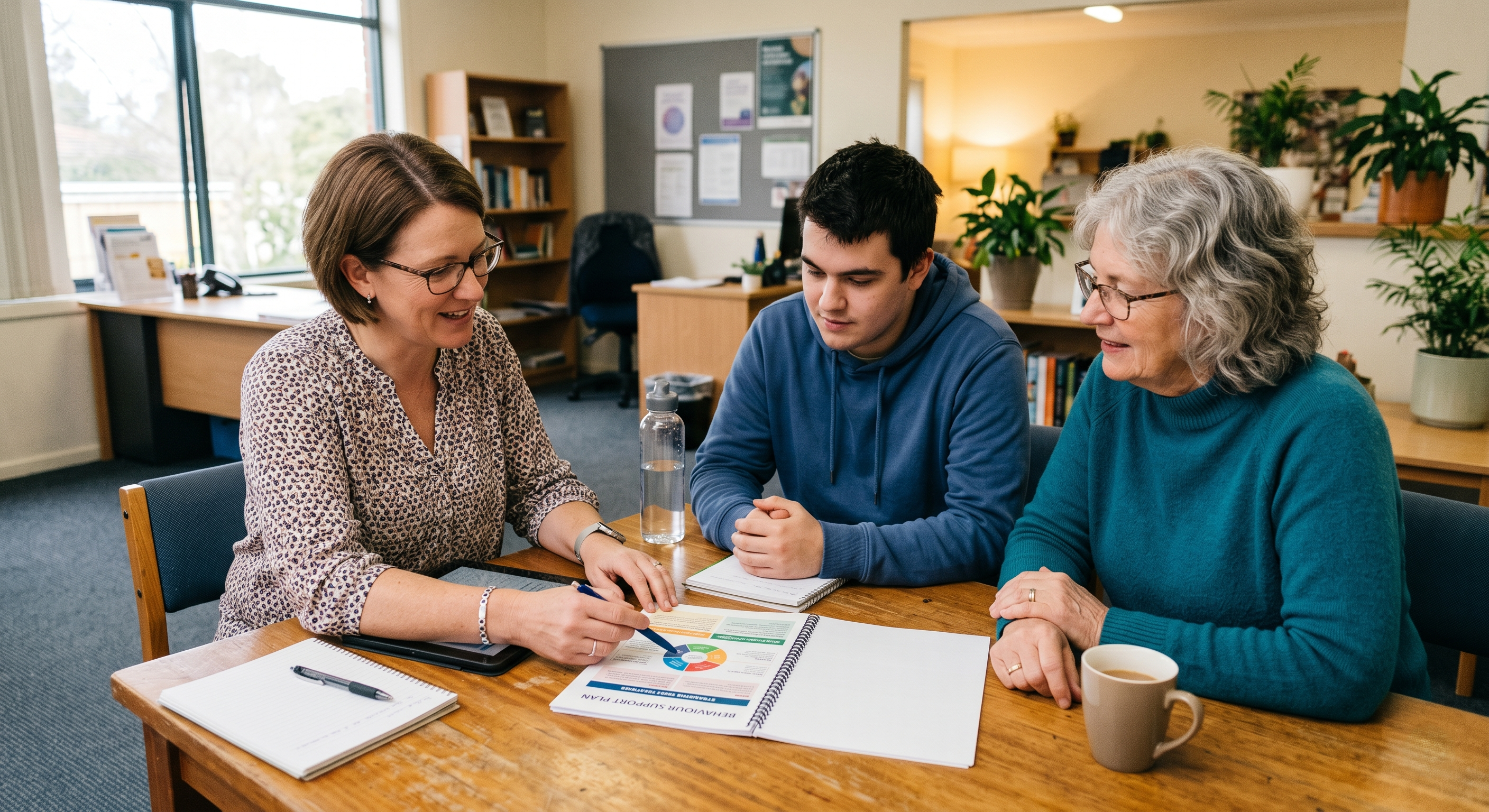
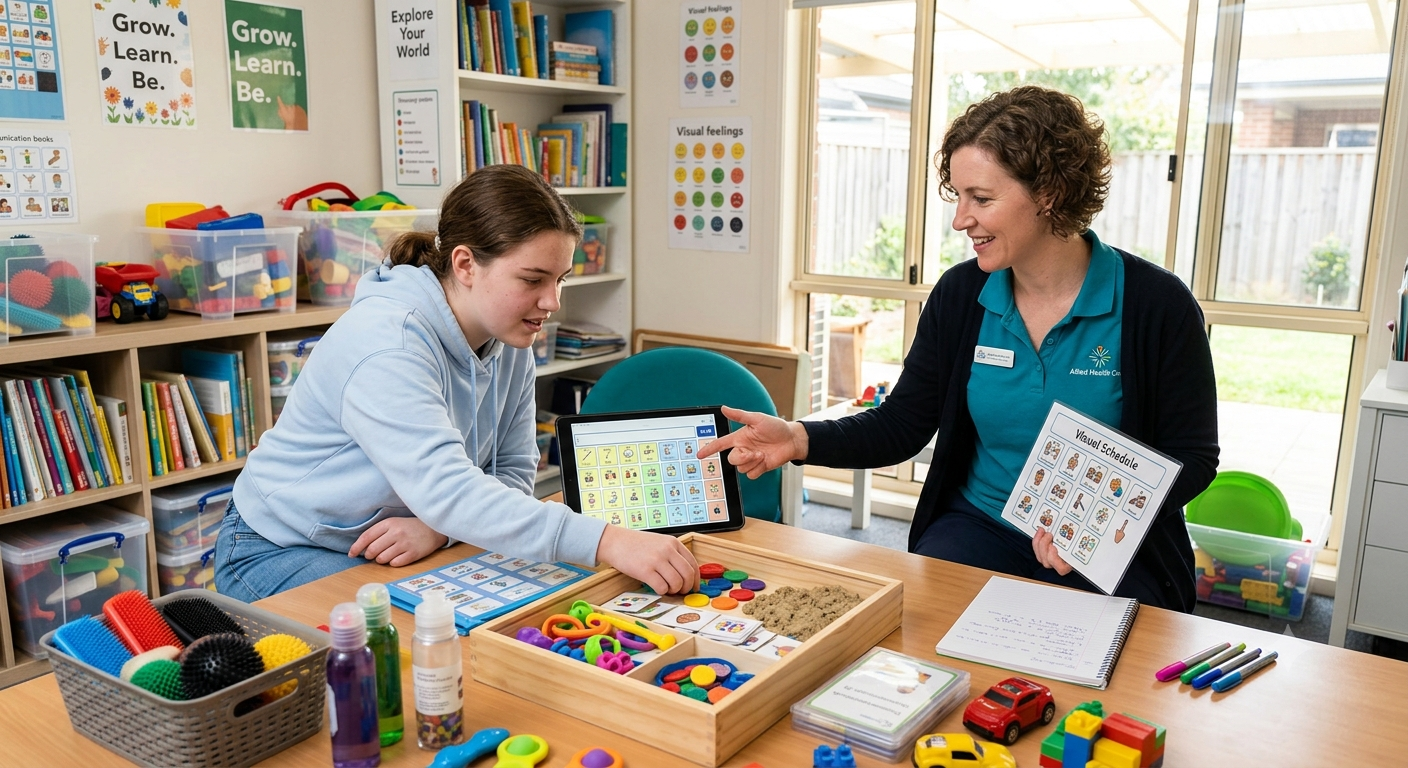
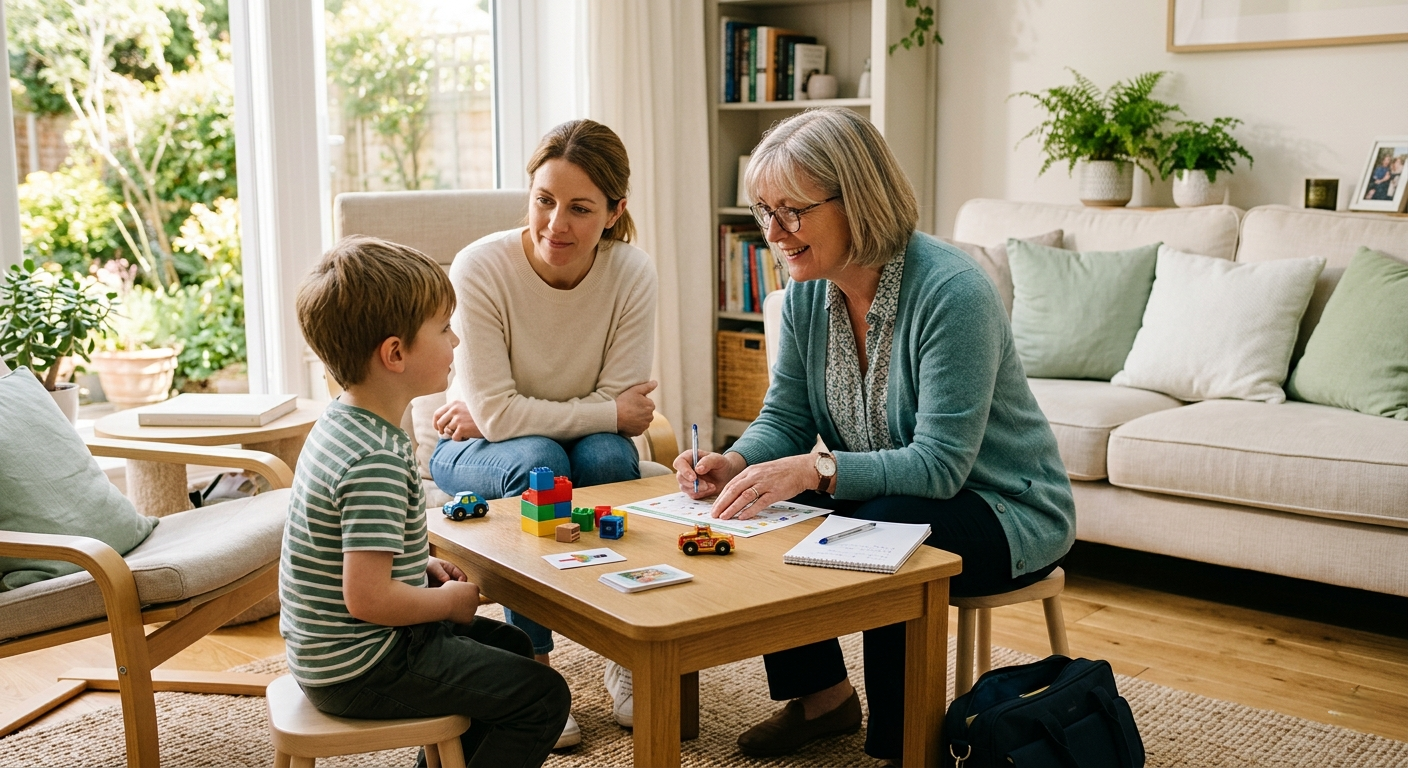
Positive Behaviour Support (PBS) works by co-designing environments, communication strategies, and teaching new skills. By focusing on quality of life first, we reduce the need for the behaviour naturally. Our registered practitioners work alongside the participant's family and support circle to write a personalized plan that highlights proactive strategies before behaviours occur.
"When we understand what a person is trying to tell us through their behaviour, we can teach them safer, more effective ways to express themselves, leading to true independence."
If you or someone in your care needs behaviour support funding coordinated under NDIS, get in touch with our team today. We provide clinical behaviour services throughout Victoria, New South Wales, and the ACT.
Our qualified practitioners and support coordinators work throughout VIC, NSW, and ACT to build capacity and improve safety.
Submit a Referral