
Understanding High Intensity Daily Personal Activities under NDIS

Understanding High Intensity Daily Personal Activities under NDIS
30Jul
  • Pristine Care Clinical Team
  • 30 Jul 2026

Understanding High Intensity Daily Personal Activities under NDIS

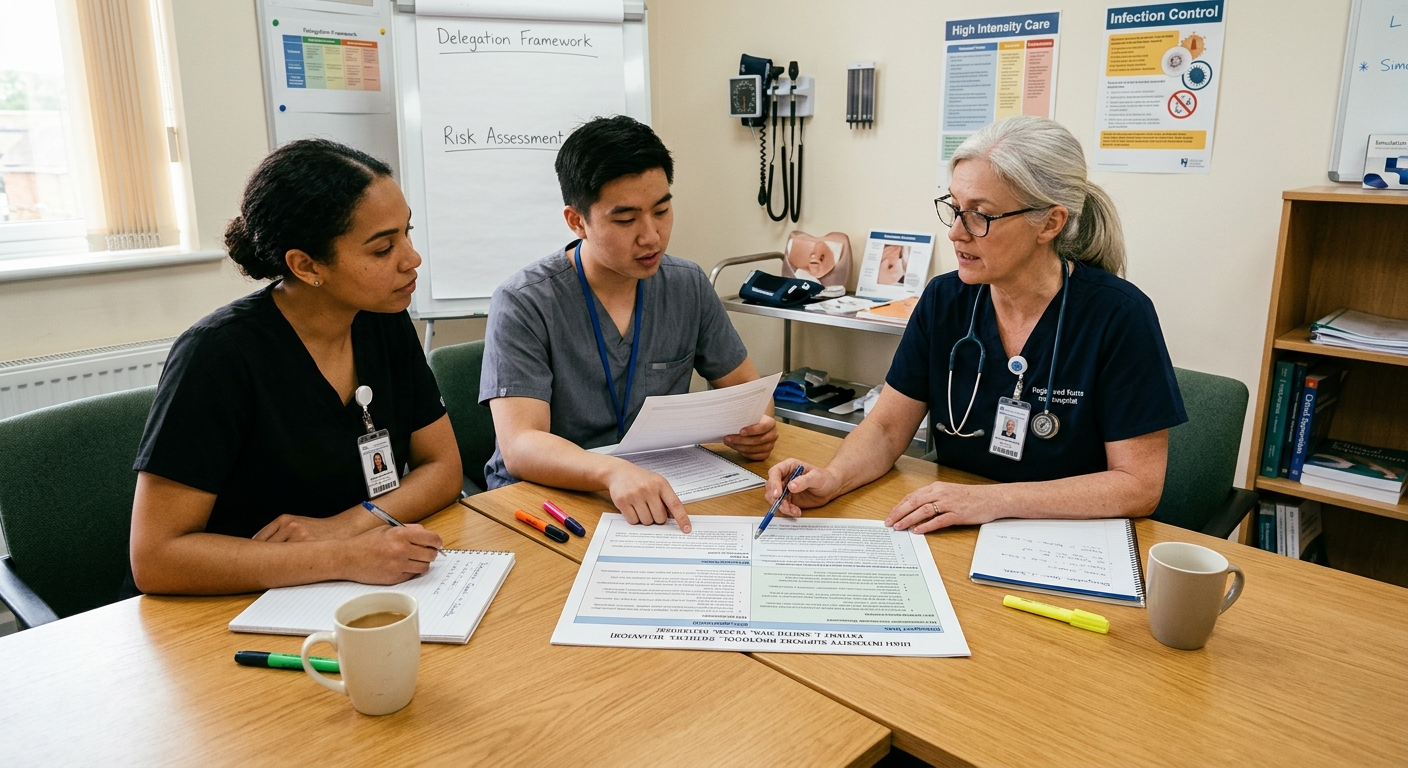
High Intensity supports require specialized skills from support workers. These involve clinical and medical daily needs that require clinical oversight, training, and competency checks by registered nurses.

Key High Intensity Supports Categories

The NDIS Practice Standards outline specific complex care areas under High Intensity Daily Personal Activities:

  • Enteral Feeding: Safe management of PEG/PEJ tubes, preparing feed, administering medication through the tube, and keeping the site clean and free of infection.
  • Tracheostomy Care: Suctioning, cleaning the inner cannula, changing ties, and managing emergencies under strict clinical guidelines.
  • Urinary Catheter Care: Catheter bag management, clean intermittent catheterisation (CIC), hygiene, and monitoring for UTIs.
  • Dysphagia Management: Preparing modified food and fluids (thickened fluids, pureed meals) as prescribed by a speech pathologist to prevent choking.
  • Ventilation Management: Supporting BIPAP/CPAP machines and ensuring backup batteries and alarms are tested.
"High intensity supports ensure that complex health requirements are managed with clinical precision, keeping participants safe at home."

Pristine Care has clinical nursing teams who assess support worker competencies and design High Intensity Care Plans. Contact us to coordinate complex home care.

Need NDIS Support Coordination or Behaviour Support?

Our qualified practitioners and support coordinators work throughout VIC, NSW, and ACT to build capacity and improve safety.

Submit a Referral